Does a Plagiarism Checker Save Your Paper? Private Checkers That Don't Store Uploads
6 min read
It depends on the tool. Turnitin, the checker most schools use, keeps your paper in its repository by default so future submissions can be compared against it.
Privacy-first checkers work differently. Scribbr, Grammarly and Phrasly scan your document without adding it to a shared student database, so your work cannot come back later as someone else's match.
If you worry about a false 100% match or a thesis sitting on a server for years, that worry makes sense, and it has fixes. Below you will find what happens on upload, how self-matches work, how to request no-repository mode, how deletion works, and what GDPR and FERPA give you.
Check Your Paper With Phrasly's Plagiarism Checker
What Happens the Moment You Upload Your Paper?
Does a plagiarism checker store your paper? Turnitin does by default. When you upload, it first checks that your file is supported (under 100 MB, at least 20 words of text), sends you a digital receipt and queues the paper for a scan against web pages, publications, past student papers and, if your school enables it, AI writing detection.
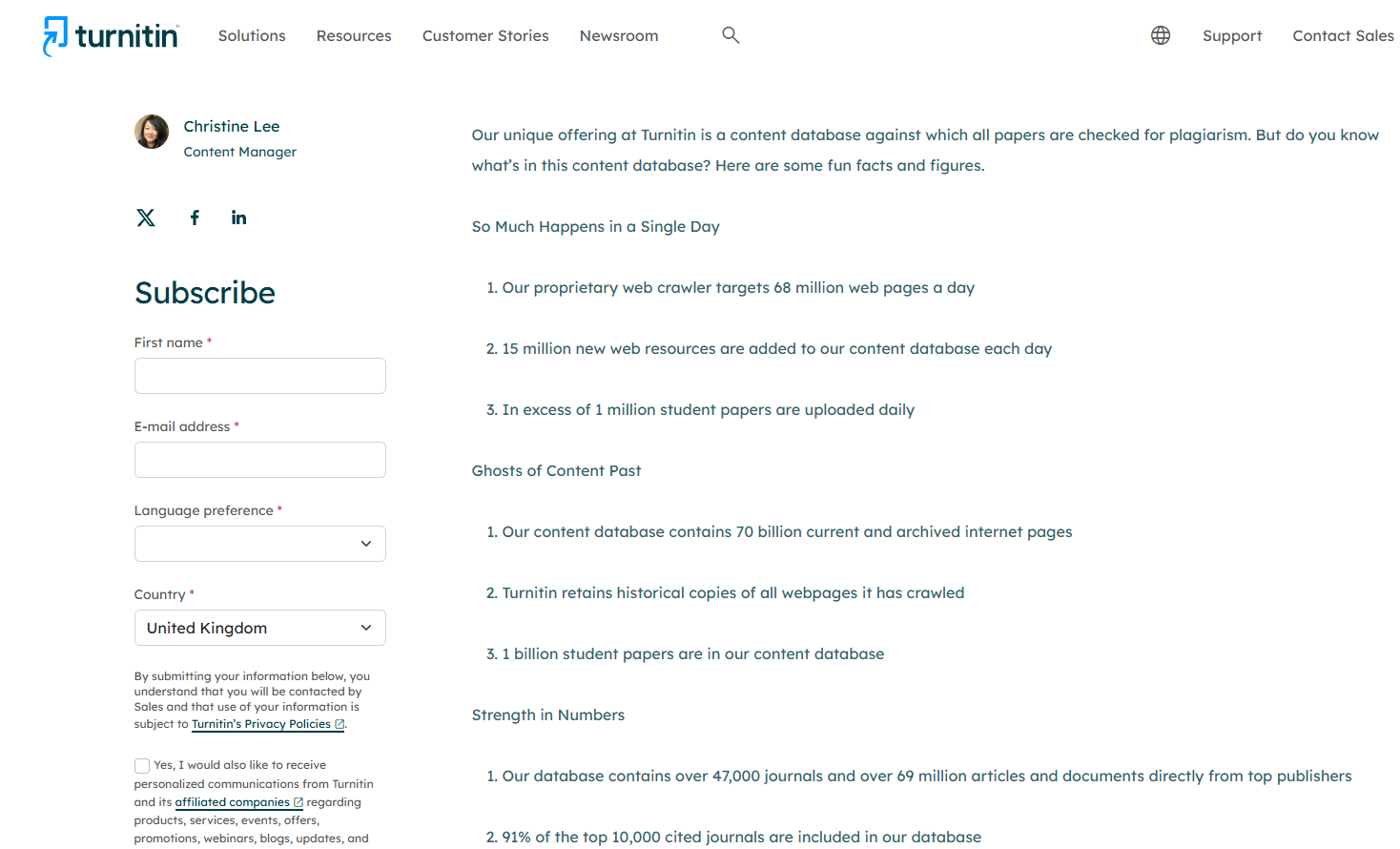
Does Turnitin keep a copy of my paper? Usually: Turnitin says it holds over 1 billion student papers.
Turnitin's Default Repository Explained
Claims that this text matching software holds a non-revocable license to stored papers are worth checking in your school's terms.
Does Turnitin store papers forever? That follows each school's data retention policy: University College Dublin says indefinitely, Toronto Metropolitan University seven years.
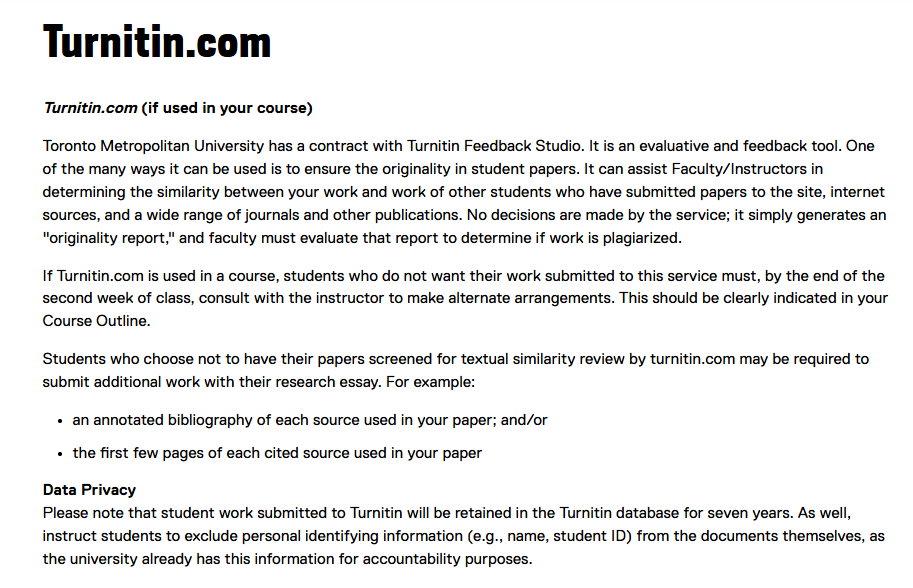
Does Turnitin save your paper after you delete it? Yes. Removing it from the assignment inbox only hides it in the institutional database.
Why Private Checkers Never Match You Later
Privacy-first tools delete your text once the report is ready, leaving nothing to match.
Will You Get a 100% Match If You Resubmit Your Paper to Turnitin?
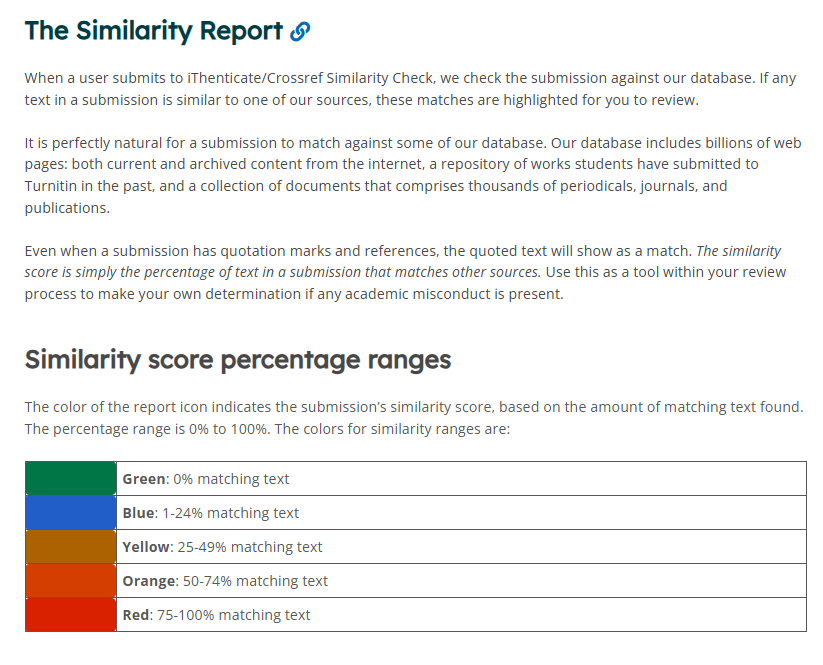
You can, if an earlier version is already stored, because Turnitin's student similarity guide says drafts saved to your school's repository can push a final draft to 100%. Will that flag you for plagiarism? The score is high, but your instructor, not the software, decides what it means.
Does Turnitin store papers forever, though? Not if your instructor excludes the earlier submission or an administrator deletes it.
How the Originality Report Reads a Self-Match
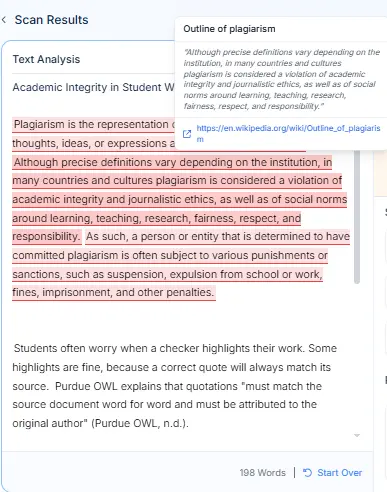
In a self-match, the originality report names your earlier paper as the source and measures shared text, not intent. Learn how to read a plagiarism report to trace each match.
Is Reusing Your Own Work Considered Plagiarism?
Many academic integrity policies say yes for reused graded work, unlike a match against your own draft, so check your syllabus and what counts as an acceptable similarity percentage.
Can You Turn Off the Repository Before You Submit?
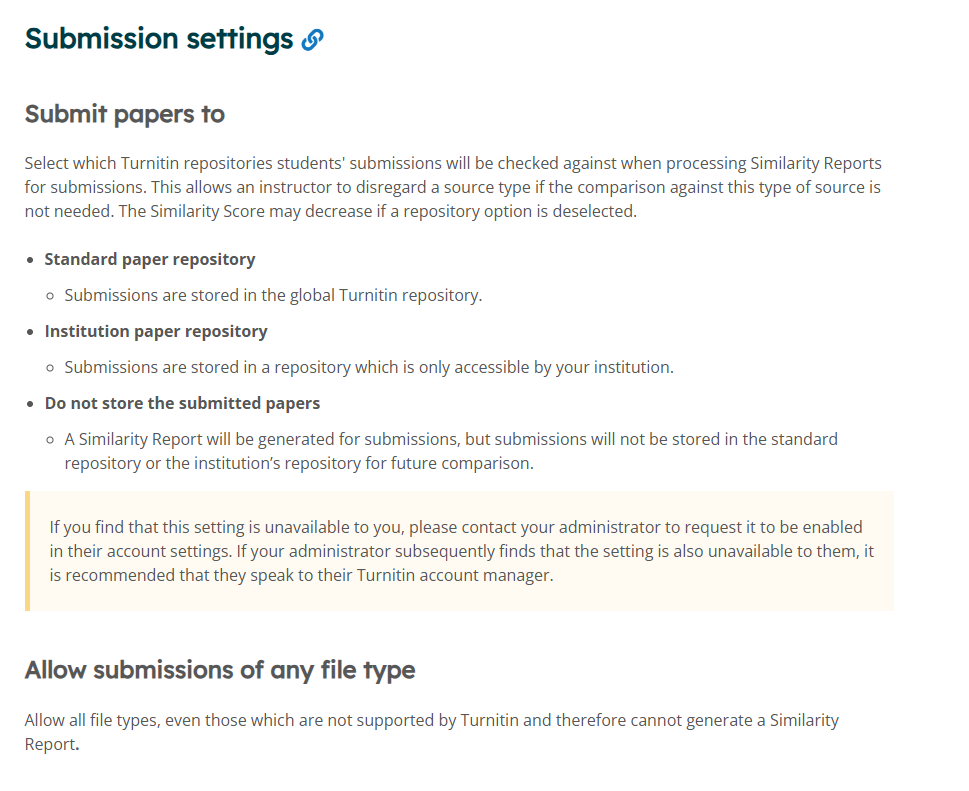
Yes, through your instructor, not on your own. Turnitin lets instructors pick do not store the submitted papers, and you still get a similarity report. Students rarely see this setting, so any Turnitin repository opt out starts with an email before you submit.
What "No Repository" Actually Means
A Turnitin no repository check still scans every source but never saves your paper, so it cannot match you later.
Where the Setting Lives
Instructors find it under Submit papers to or Store submissions in, on Canvas, Blackboard or Moodle. Our Canvas plagiarism checker guide shows where it sits in Canvas.
How Do You Ask for No-Repository Mode?
Send your instructor a short email before the deadline:
Ask whether the assignment stores papers.
Request an opt-out submission if you have a privacy reason.
Save the reply.
How Do You Delete a Paper From a Checker's Server?
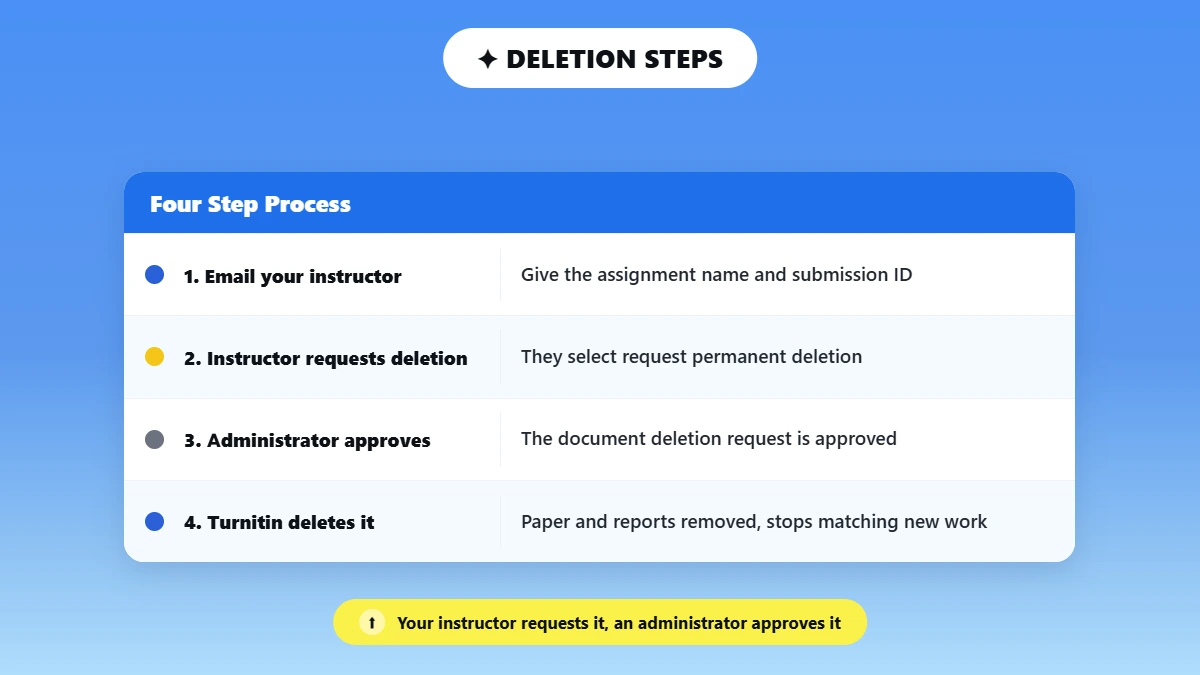
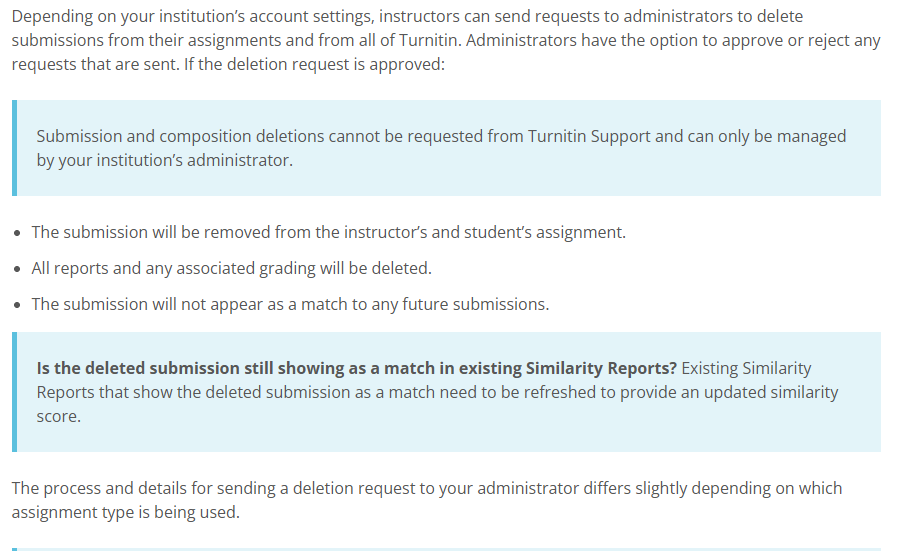
How do I delete my document from a plagiarism checker's server? With Turnitin, you go through your school. Turnitin's help center says its support team does not handle deletion requests, so your instructor requests it and an administrator approves it.
Email your instructor the assignment name and submission ID.
Your instructor selects "Request permanent deletion."
An administrator approves the document deletion request.
Turnitin then deletes the paper and its reports, and it stops matching new work.
The Institution-Mediated Deletion Process
Your school holds the Turnitin account, so the request concerns its records: cite FERPA in the US or your GDPR right to erasure at an EU institution.
What Stays Behind: Metadata Storage
Attached grading is removed too. Metadata storage follows other rules: UCD keeps student names and emails until a trimester after you leave.
Turnitin vs Scribbr vs Grammarly vs Phrasly: Who Actually Stores Your Work?
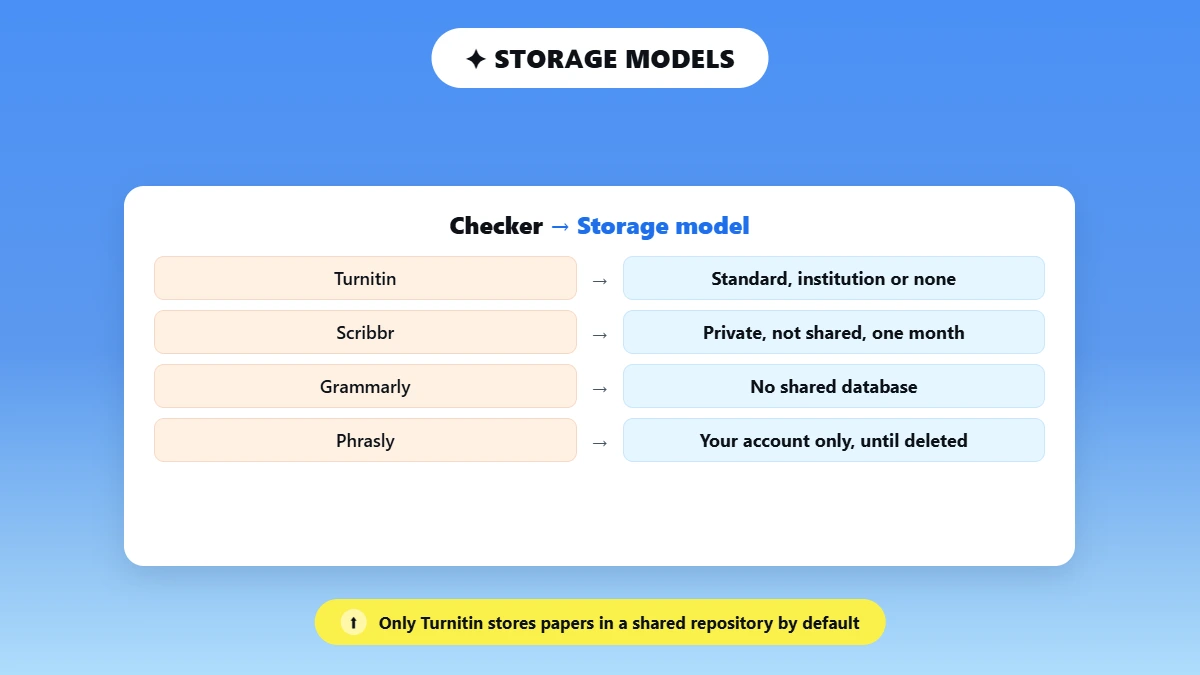
Which plagiarism checker does not store uploaded documents? Scribbr, Grammarly and Phrasly each say your document stays out of any shared database. Only Turnitin stores papers in a shared repository by default, so only it can match your paper later.
Storage follows one of four models:
Standard repository: kept and matched against any school's papers.
Institution repository: matched only within your school, even years later.
No repository: a Turnitin setting that checks without saving.
Do not store: never added to a shared repository, and any copy stays private to you.
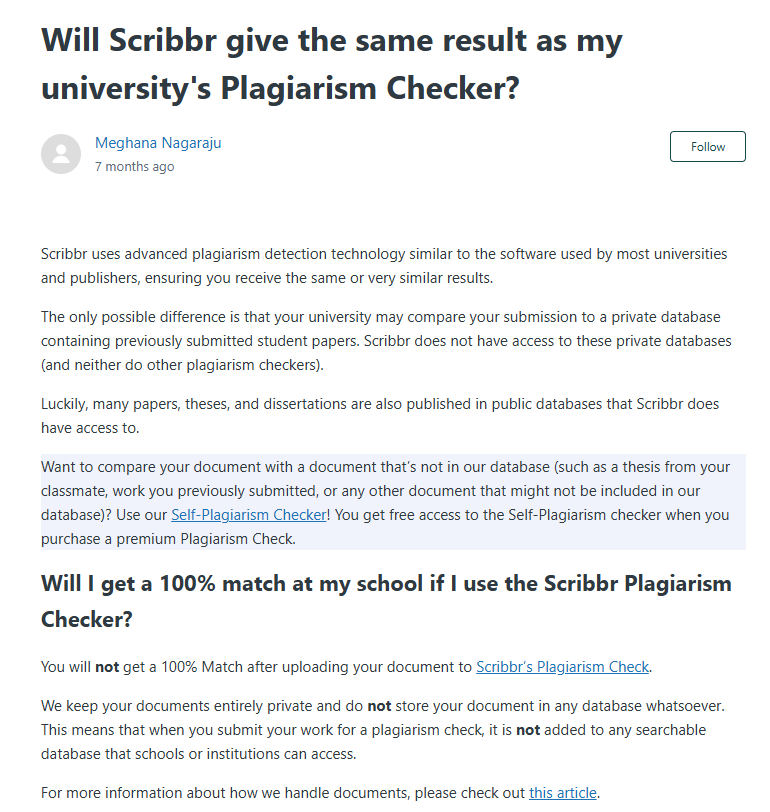
Does Scribbr store your paper? The Scribbr plagiarism checker uses no shared database and deletes paid-check documents after one month.
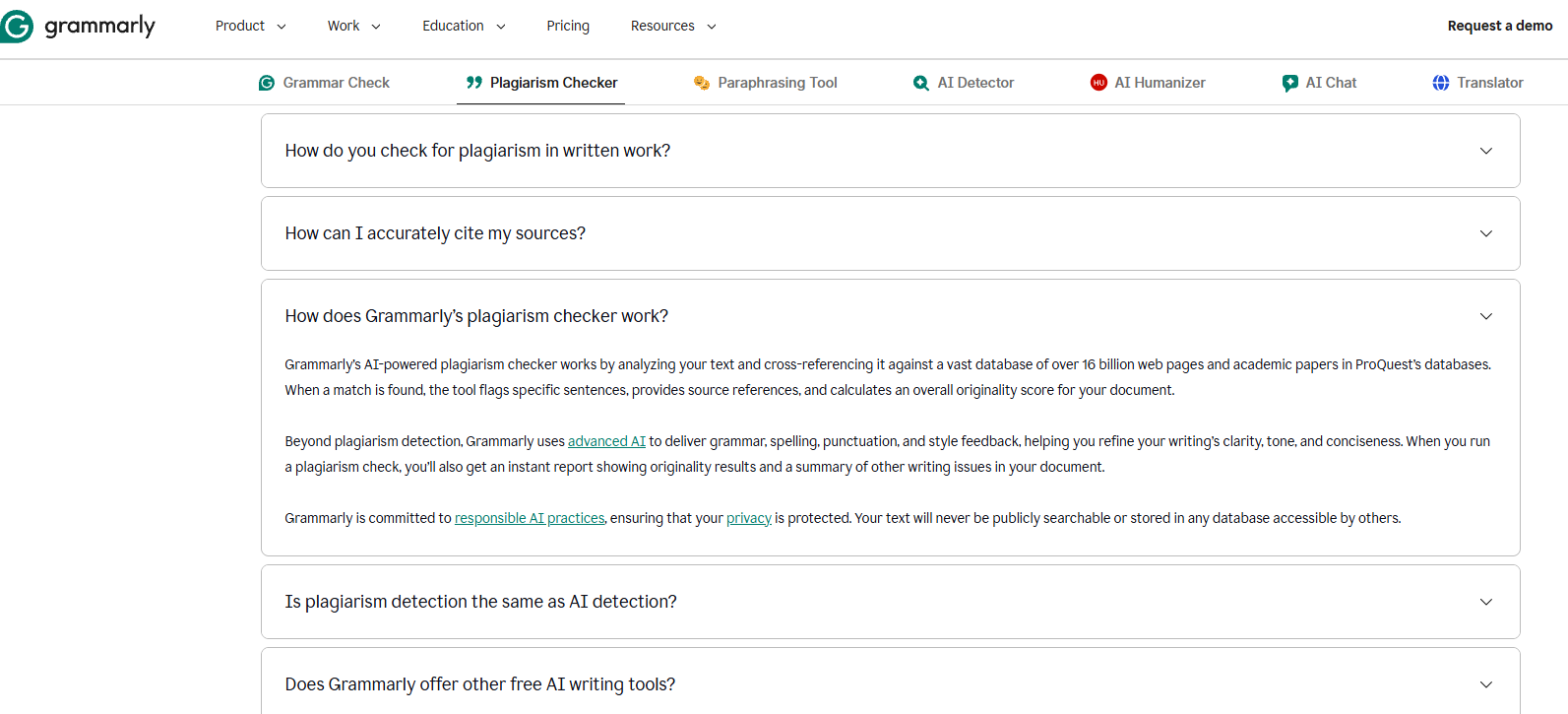
Does Grammarly's plagiarism checker save your document? The Grammarly plagiarism checker says text is never stored where others can access it.
Reading the Comparison Table
Columns cover storage, other schools' access, retention and your self-match risk.
Tool | Repository type | Other schools match it | Retention | Self-match risk |
|---|---|---|---|---|
Turnitin | Standard (default), institution or none | Yes, on standard | Set by your school | High if stored |
Scribbr | Private, not shared | No | One month | None |
Grammarly | No shared database | No | Not stated | None |
Phrasly | Your account only, never shared | No | Until you delete it | None |
Want a private plagiarism checker that doesn’t save documents to a shared database? Phrasly’s plagiarism checker keeps each scan in your own account until you delete it (see its privacy policy). Our iThenticate vs Turnitin comparison and best plagiarism checkers roundup cover more tools.
GDPR and FERPA: What Are Your Student Privacy Rights?
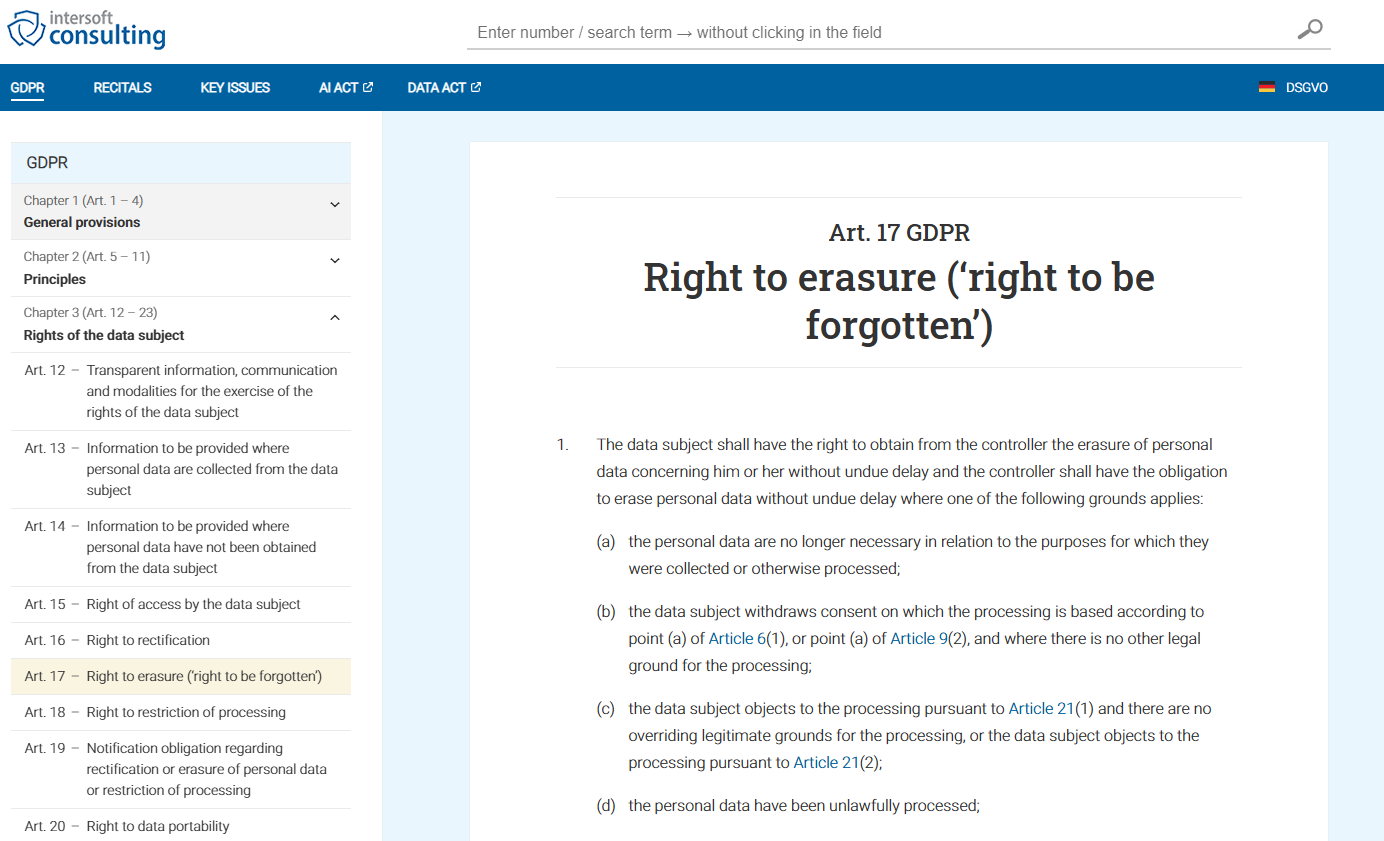
Your rights depend on where you study. GDPR Article 17 lets students in the EU request erasure of personal data "without undue delay," while FERPA gives US students access and correction rights over education records, not a general right to deletion.
What GDPR Article 17 Covers
It covers cases such as data no longer needed or withdrawn consent, and Article 12(3) sets a one-month reply deadline.
What FERPA Protects for US Students
FERPA gives you three practical protections:
Inspect your records within 45 days of asking.
Ask the school to correct inaccurate records.
Vendors like Turnitin are covered only as a "school official."
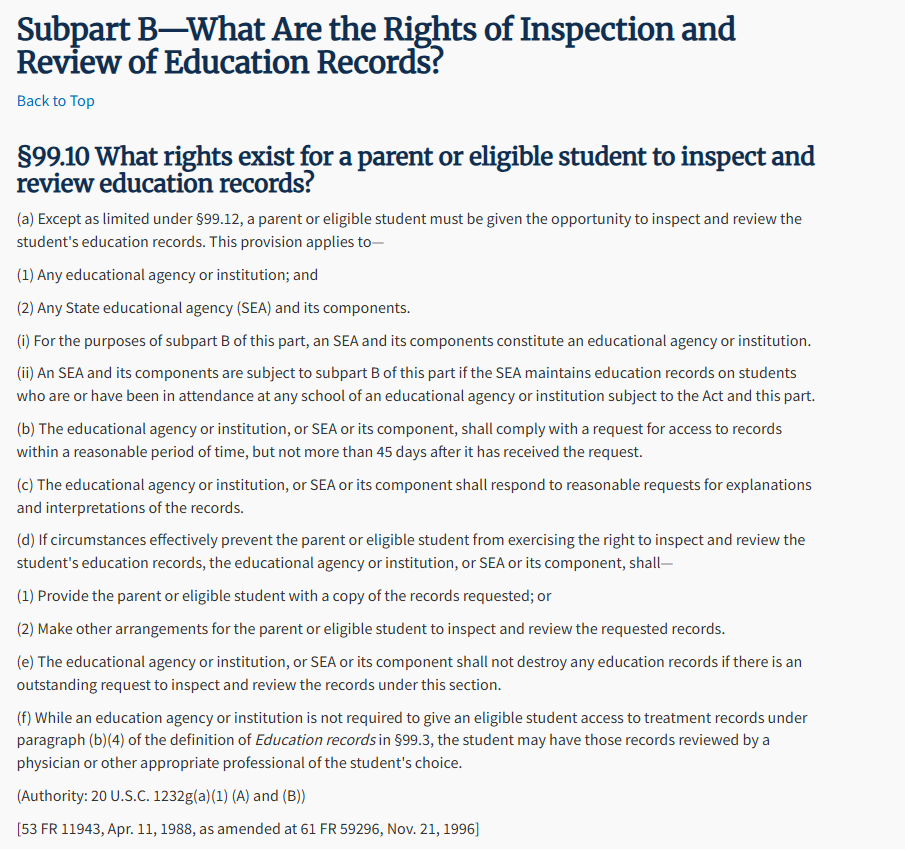
A paper sent through a school-required tool can count as an education record. Is it safe to run your thesis through a plagiarism checker? Yes, with no repository or a checker that never adds your paper to a shared database.
Can Professors at Other Schools See Your Past Submissions?
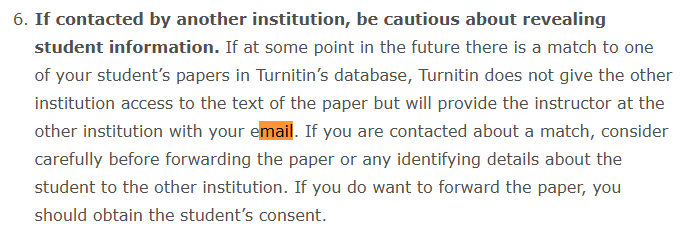
Can professors see previous Turnitin submissions? They cannot open your paper itself, but its text can appear as a match through cross-institution comparison. Langara College notes that Turnitin shares only your instructor's email with the other school, not the paper.
Cross-Institution Matching Explained
Does Turnitin save previously submitted work? Yes, on the standard repository, which every new upload is checked against. An institution repository limits matching to your school, and a no-repository paper never surfaces elsewhere.
When a Previous Class's Paper Can Resurface
Say a revised fall chapter flags your spring draft. Show your instructor both versions, scan the revision with the Phrasly Plagiarism Checker, and use our tips to lower a high similarity score before you submit.
Frequently asked questions
Does Turnitin store papers forever?
Often for years, sometimes indefinitely. Turnitin keeps a stored paper for the period set in your school's agreement, or until an administrator approves its deletion. Published university policies range from indefinite storage to seven years, so ask your school which one applies to you.
Does Turnitin keep a copy of my paper?
Yes, when your assignment uses the standard or institution repository. Turnitin keeps the full paper so it can compare future submissions against it. If your instructor chose "do not store," no copy is kept, and our Turnitin alternatives list covers checkers that keep your paper out of shared databases.
Does Turnitin save previously submitted work?
Yes, it does. Stored papers stay searchable against new submissions until an administrator deletes them, which is why resubmitting the same paper can return a very high similarity score. Your instructor's repository setting decides whether your work is saved at all, so ask before you resubmit.
Does Grammarly's plagiarism checker save my document?
Grammarly says on its checker page that checked text is never publicly searchable or stored in any database others can access. It compares your writing with web pages and ProQuest papers. That page states no retention period, so read Grammarly's privacy policy for specifics.
Will my sources or document be stored in a shared database?
On Turnitin's standard repository, yes, and checks at other schools can match it. Scribbr, Grammarly and Phrasly do not add your paper to a shared database, so it never resurfaces in someone else's report. Compare more plagiarism checker options for students before you choose.
Written by