Accuracy report · November 2026
How We Test Phrasly's AI Image Detector
How accurate is Phrasly's AI Image Detector? We test it on AI images from ChatGPT, Gemini, Midjourney, DALL-E, on real camera and phone photos, and on screenshots, compressed and re-uploaded copies. Here's how we test our AI image detector and what the results show.
Tested November 2026 · Production detector
Results at a glance
How Accurate Is Phrasly's AI Image Detector?
It caught every AI image in the test, from all 7 generators, and stayed just as accurate when the images were screenshotted, compressed or re-uploaded to social media.
- Accuracy on AI images and real photos, as original files.
- 98.9%
- Of AI images caught, from ChatGPT, Gemini, Nano Banana, Midjourney, FLUX, DALL-E and Stable Diffusion.
- 100%
- Accuracy on screenshots, and 98.9% on social media re-uploads and compressed copies.
- 99.1%
- Of verdicts correct when the image carried a verified AI signature (C2PA or SynthID).
- 100%
Examples
See Real Results From the Test
Three images from the test pack, with the verdict the detector gave each one.
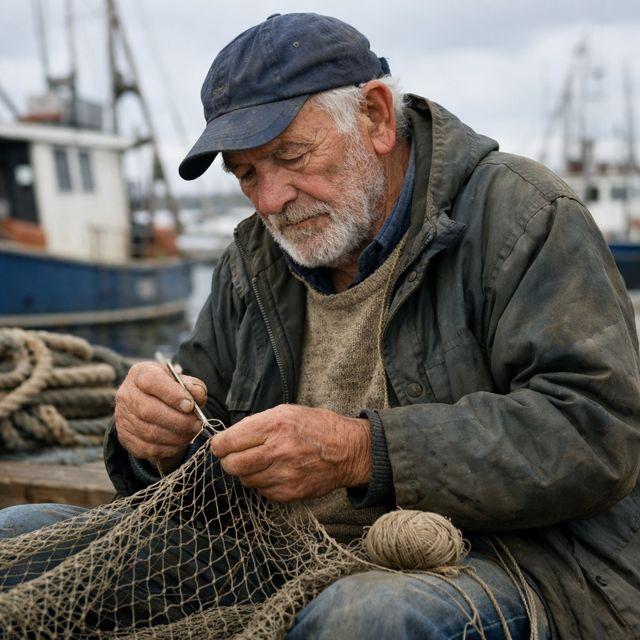
AI-generated · 100%
ChatGPT image, as downloaded
The file carried a verified AI signature (C2PA), so the detector could name the source: made with OpenAI.
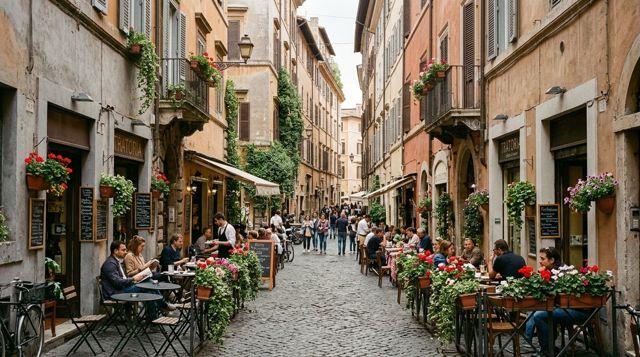
AI-generated · 99%
Nano Banana image, metadata removed
We stripped all metadata and signatures and re-saved the file. The pixel scan still caught it.
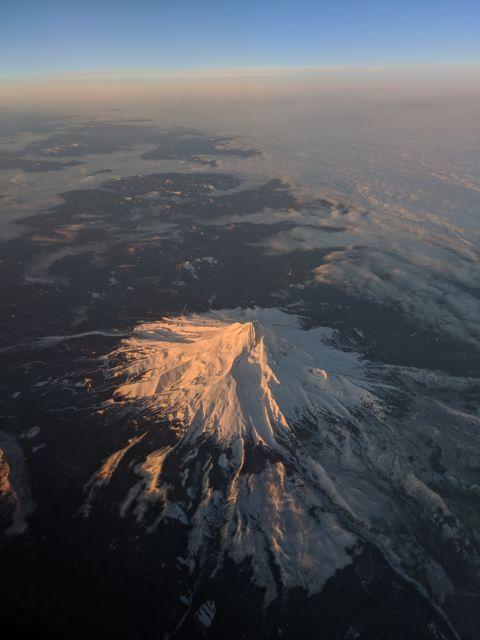
Likely real · 98%
Real phone photo
Mt. Hood from a plane, taken on a Google Pixel 3 in 2019. The detector called it real.
Photo: Kissmykumbaya, CC0, via Wikimedia Commons
Test set
What We Tested
We built a test set from the images people actually check: AI images from today's most-used generators, real photos from cameras and phones, and real photos with part of the picture changed by AI.
AI images
260 images from 7 generators: ChatGPT, Nano Banana 2.1, Gemini 3 Pro Image, Midjourney, FLUX.1, DALL-E 3 and Stable Diffusion 3. The ChatGPT, Nano Banana and Gemini images were made for this test in November 2026, so the detector had never seen them.
Real photos
184 freely licensed photos taken in 2020 or earlier, before today's image generators: 124 camera photos and 60 phone photos from Samsung, Google Pixel and Huawei phones. No user uploads: the detector doesn't store them.
Partly AI-edited photos
35 real photos where one area was replaced with an AI-generated object. We report these separately.
Image types
Landscapes, food, architecture, animals, faces, phone snapshots and digital art.
Real-world copies
Images rarely reach you as the original file. We scanned every image again in 5 altered versions, for 2,874 scans in all.
Method
How We Ran the Test
- Collect real photos from freely licensed public sources, all taken before today's AI image generators.
- Collect AI images from 7 generators: new ones made with ChatGPT, Nano Banana and Gemini for this test, plus public research sets for the others.
- Make real-world copies of every image: a screenshot, a social media re-upload, a half-size copy, a heavily compressed copy and a copy with all metadata removed.
- Scan every file once with the same AI Image Detector you use on this site, in November 2026.
- Score the verdicts. The detector answers AI-generated, Partially AI or Likely real. We count an AI verdict on a real photo as a false positive, and a Likely real verdict on an AI image as a miss.
How it works
Two Checks on Every Image
1. AI signature check
Many AI tools now sign their images with C2PA content credentials or a SynthID watermark. When a verified signature is present, the verdict is certain and names the generator. In our test, 21% of images were decided this way, and every one of those verdicts was correct.
2. Pixel scan
Signatures are easy to strip, so every image also goes through our image model, which looks for the patterns AI generators leave in the pixels. This is what caught AI images after their metadata was removed or they were screenshotted.
Results
Results by Generator and Real-World Copy
On original files, the detector caught 100% of images from every generator. Accuracy stayed close to 99% when images were screenshotted, re-uploaded, compressed or stripped of metadata.
Accuracy by type of copy
| Generator | Original files | Altered copies |
|---|---|---|
| ChatGPT | 100% | 100% |
| Midjourney | 100% | 100% |
| FLUX.1 | 100% | 100% |
| DALL-E 3 | 100% | 100% |
| Stable Diffusion 3 | 100% | 100% |
| Nano Banana 2.1 | 100% | 90–97.5% |
| Gemini 3 Pro Image | 100% | 90–97.5% |
Real photos correctly called real: 97.3% of original files, and 97.8–100% of altered copies.
Best results
When to Double-Check a Result
No AI image detector is right every time. In these cases, look closer before you decide.
A small AI edit inside a real photo
The detector judges the image as a whole, so a photo where only one small object was added by AI can still read as real. If you suspect a local edit, check the area closely and ask for the original file.
Large, high-resolution camera photos
The few real photos flagged in our test were large camera files, mostly marked "Partially AI". Treat a Partially AI result on a high-resolution photo as a prompt to look closer.
Google AI images that were stripped and re-shared
Most are still caught, but after the signature is removed and the image is compressed or re-uploaded, a few can slip through. Scan the earliest copy you can find.
GIF, HEIC and AVIF files
The detector accepts them, but this test didn't include them yet. For the most reliable result, convert to JPEG or PNG first.
Using your result
How to Read Your AI Image Detector Result
A result tells you how likely it is that an image was made or changed with AI. Before you act on it:
- If the result names a generator, the image carried a verified AI signature. That verdict is certain.
- Partially AI means part of the image looks AI-generated. Look closely at the details and the source.
- Scan the original file where you can. Every copy, screenshot and re-upload removes some of the evidence.
- Check where the image came from: who posted it first, and whether other photos of the same moment exist.
Want to check an image now? Try the free AI Image Detector.
What We Keep Private
We publish the results and how we got them. We don't publish the full test set, our scoring thresholds or how the image model is trained, because that would make the detector easier to fool.
How Often We Retest
We will rerun this test when a major new image generator launches, and update this page with the date and results each time.
FAQ
Frequently Asked Questions
Check an Image for AI
Free, with signature checks and a pixel scan on every image.