

Quetext Plagiarism Checker Review
Quetext catches web plagiarism well, but its 500-word free limit and paywalled AI detection leave students underserved. See how it compares and what works better in 2026.
AI drafts fast, but it doesn't sound like you. Discover the best AI text cleaners of 2026 to turn robotic output into natural, polished writing that's truly yours.
There's no hidden code in your ChatGPT output, just writing patterns that detectors recognize. Here's exactly what they are, whether removing them is ethical, and how to do it properly.
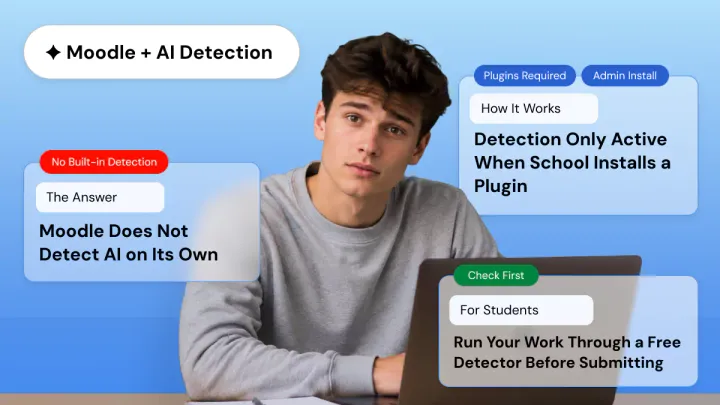
Does Moodle detect AI? Not on its own. The core platform lacks built-in detection, but schools can install plugins like Turnitin or Copyleaks to scan submissions. Because these tools flag false positives, students and teachers must know how they really work. Here is the truth about Moodle and AI.
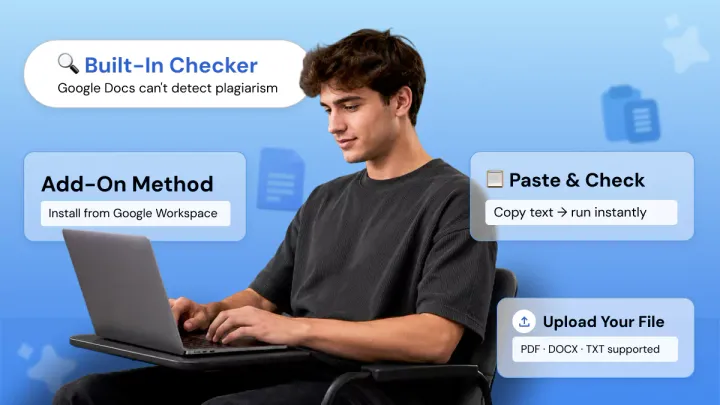
Checking for plagiarism in Google Docs takes less than two minutes, once you know which method to use. Here's the complete step-by-step breakdown.
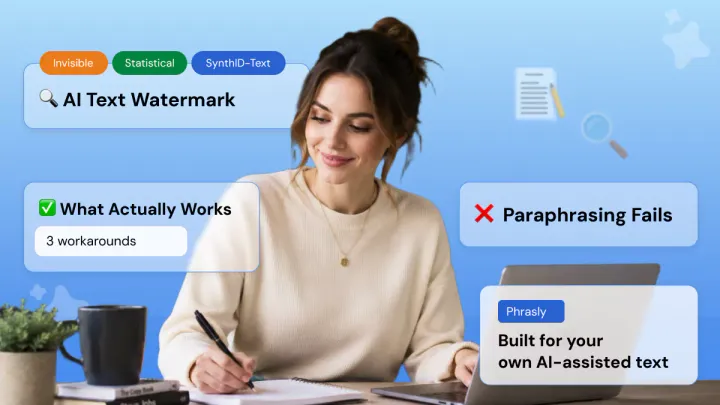
Paraphrasing won't remove an AI watermark and here's why. Learn how AI text watermarks actually work, why shallow edits fail, and the right workflow to make your AI-assisted content genuinely yours in 2026.
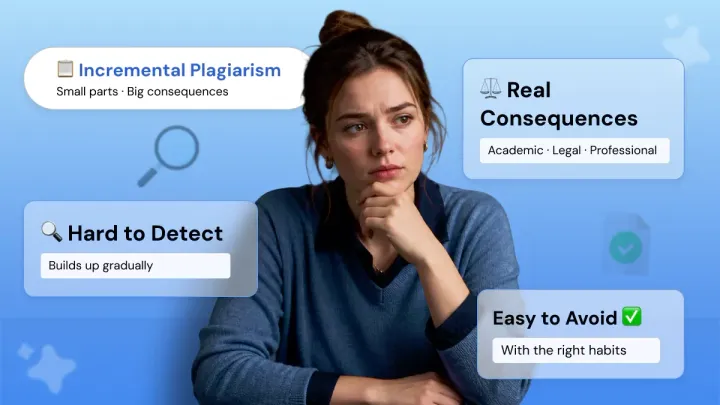
Incremental plagiarism is one of the easiest forms of plagiarism to commit and one of the hardest to catch. Learn what it is, real-world examples, and how to avoid it before it costs you.
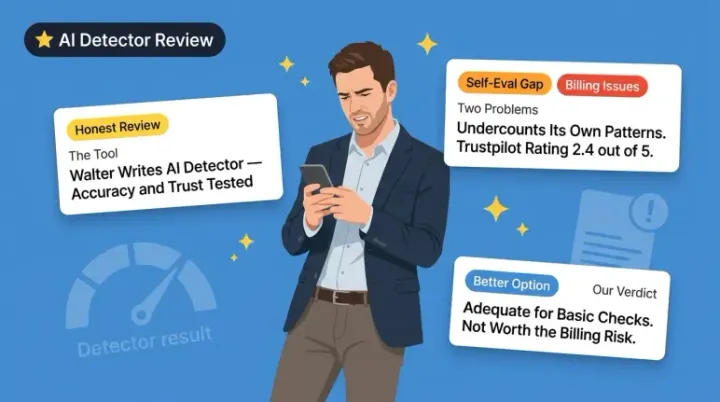
Walter Writes AI Detector works on pure AI text but struggles with humanized content. Add billing complaints and a 2.4 Trustpilot score, and better free alternatives like Phrasly or GPTZero make more sense.
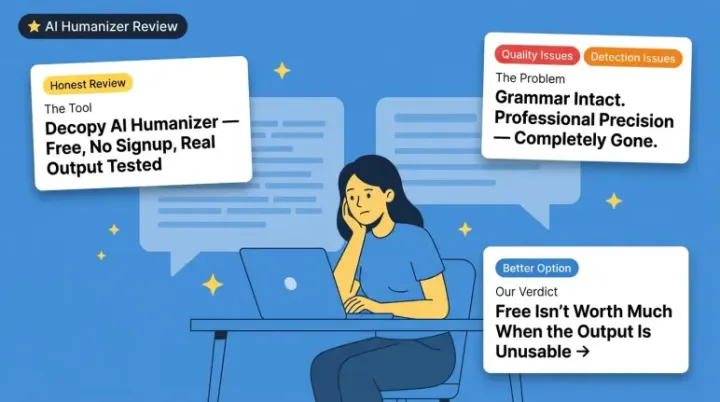
Decopy AI Humanizer is free and easy to use, but independent testing reveals it fails to reduce AI detection scores and consistently produces oversimplified, childish output, making it unreliable for academic, professional, or SEO writing.
Every piece of text Gemini generates carries an invisible watermark you've never seen. Here's what it is, whether removing it is ethical, and where the line actually sits.